
The work itself: what a day actually looks like
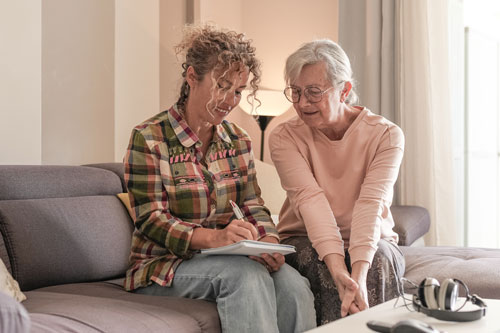
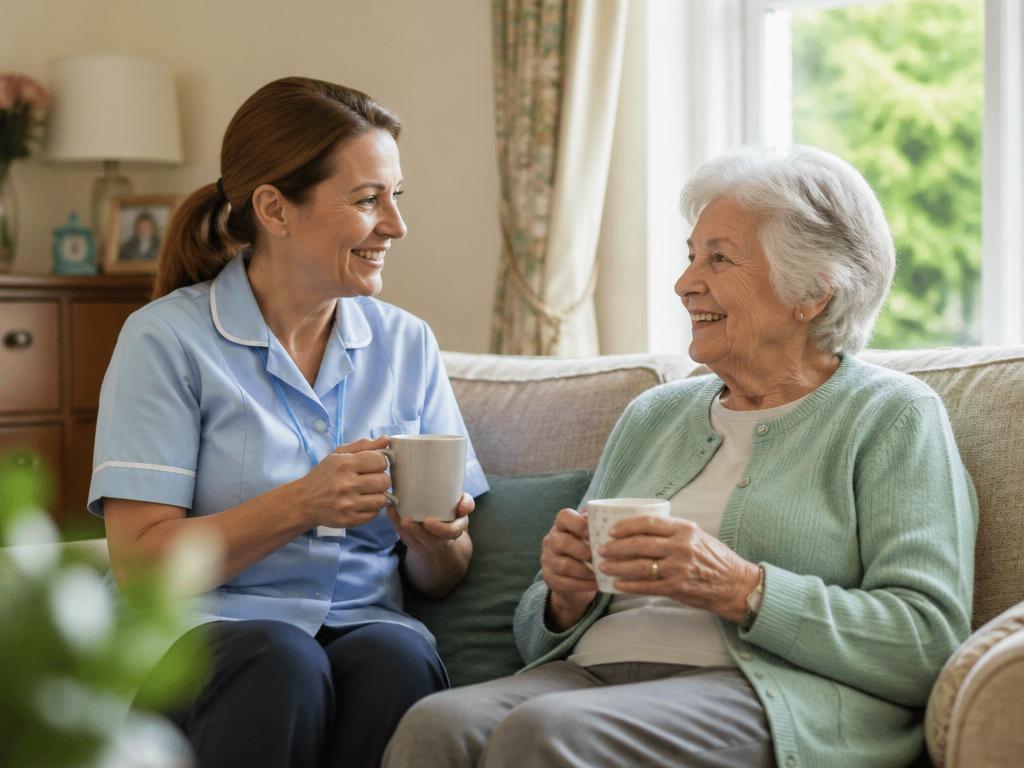
Home care is delivered in someone's own house rather than a communal setting, which changes almost everything about how it feels.
A visiting day is made up of scheduled calls, often beginning with morning support: helping someone get up, wash and dress, prompting medication, making breakfast and settling them for the day. Later calls might cover a hot meal, a walk, some housekeeping, shopping or simply an hour of company. Evening calls help someone prepare for bed. Others work overnight, either sleeping in as a reassuring presence or awake and providing active support through the night.
The work is practical and hands-on, but a good deal of it is also observational: noticing that someone is drinking less, that a bruise has appeared, that mood has shifted. That noticing is often the most valuable thing a carer does all week.
How it differs from working in a care home
- You are usually with one person at a time, so the visit belongs to them rather than being shared between twelve people
- You work independently for much of the day, with a team and a manager reachable rather than in the room
- You are a guest in someone's home, which means their routines and preferences lead
- You build deeper, longer relationships with a small number of people
- You need to be comfortable driving between visits and managing your own time
- There is less noise, less rushing between rooms, and more genuine conversation
What people find rewarding, and what they find hard
The most common reason carers stay is the relationships. Visiting the same people regularly, you learn their history and their humour, you become genuinely welcome, and you can see the difference your presence makes to someone's week. Many carers describe a level of trust they had not experienced in previous work.
There is also real satisfaction in the professional side: spotting a chest infection early, helping someone regain confidence after a fall, making a return home from hospital go smoothly.
It would be dishonest not to name the harder parts. Personal care requires tact and a strong sense of dignity. Some visits are emotionally heavy, and some of the people you support will die. Winter driving around Salisbury's villages is not always pleasant, and there are days when you finish tired. What makes those parts manageable is a small team that knows you, honest supervision and someone who answers the phone when you need them.
The qualities that matter more than experience
No previous care experience is required for most home care roles, because good practice can be taught and character cannot. What providers look for is the way someone treats people.
Reliability comes first: turning up when you said you would, at the right time, matters enormously to someone waiting. Then patience, warmth and a natural respect for privacy. Then attentiveness, the habit of noticing small changes. A driving licence and access to a car are usually essential in this area, since visits are spread across the city and surrounding villages.
Life experience counts here in a way it does not in many jobs. Having cared for a parent, raised a family or worked with the public are all genuinely relevant.
Pay, training and where the work can lead
Home care roles are typically paid at an hourly rate for visiting care, with fixed nightly rates for sleep-in and waking night shifts and weekly rates for live-in placements. It is always worth asking a prospective employer whether travel time and mileage are paid, since this makes a substantial difference to real earnings and says a lot about how a provider treats its staff.
New carers should expect a proper induction covering moving and handling, safeguarding, medication, infection control and dementia awareness, followed by shadowing an experienced colleague before working alone. Ongoing training and the Care Certificate are standard, and many carers go on to complete NVQ or Diploma qualifications in Health and Social Care.
Progression is real. Experienced carers move into senior carer roles, medication or dementia specialisms, mentoring new staff, care coordination, or management. Some use the experience as a route into nursing, occupational therapy or social work.
Is home care right for you?
It tends to suit people who prefer depth to pace: who would rather spend an hour doing something properly than rush through a list, who are comfortable working on their own initiative, and who genuinely enjoy older people's company.
It suits people less well if they need constant colleagues around them, dislike driving, or want work that stops entirely at the end of a shift without any emotional residue.
If the first description sounds like you, home care is one of the few jobs where the value of what you did that day is completely unambiguous.